Theo Berger · 10 September 2026
Shadow Tactics for Audience Segmentation in Specialized Online Visibility Campaigns
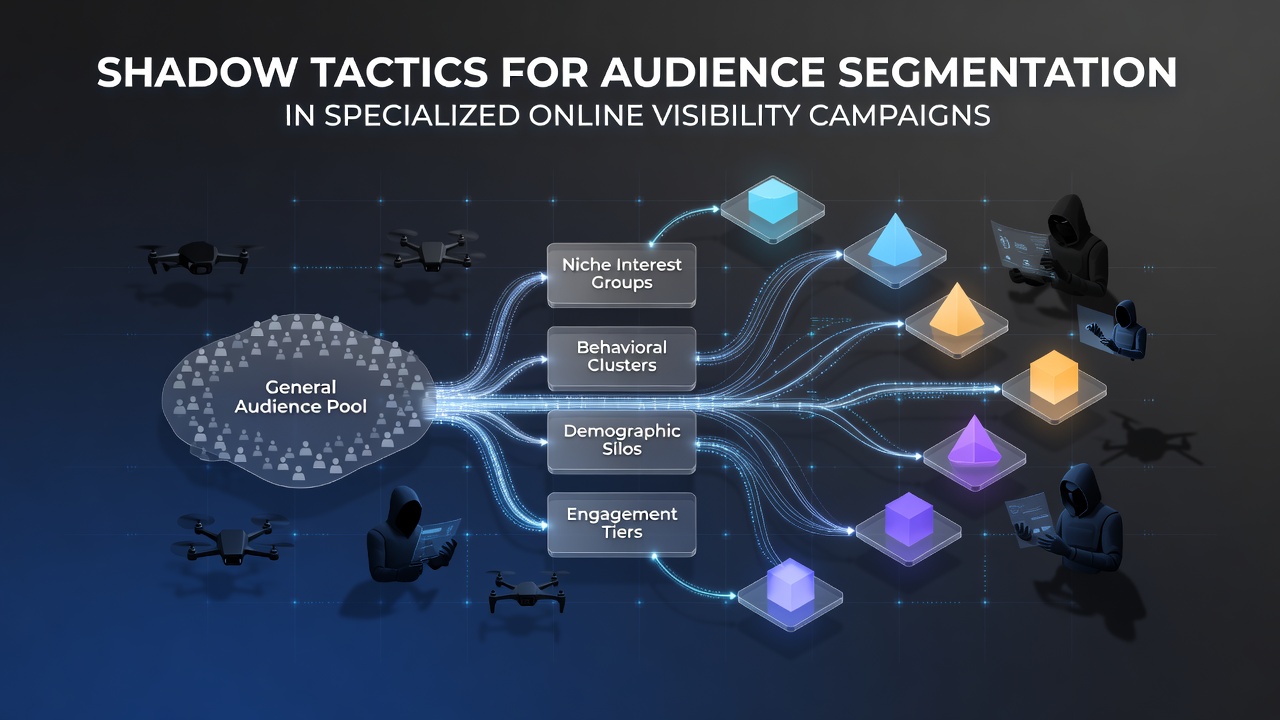
Specialized online visibility campaigns rely on precise audience segmentation to allocate resources effectively, and shadow tactics represent a set of understated methods that operate beneath standard data collection practices. These approaches combine behavioral signals with contextual cues drawn from user interactions across platforms, allowing campaigns to identify micro-groups without relying solely on declared preferences or cookie-based tracking. Research indicates that segmentation accuracy improves when multiple indirect indicators are layered together, and data from industry reports shows higher engagement rates in campaigns that incorporate such layered methods.
Core Elements of Shadow Tactics
Shadow tactics function through the analysis of navigation patterns, dwell times on specific content types, and referral pathways that users follow before reaching a target site. Observers note that these signals often reveal intent more reliably than self-reported demographics because they capture actions rather than statements. When combined with public data sources such as regional search trends and platform engagement statistics, the resulting segments become narrow enough for specialized campaigns to address distinct needs within larger markets. Experts have observed that campaigns using these methods can adjust messaging in real time based on emerging cluster behaviors, particularly during periods of heightened activity like September 2026 when seasonal search volumes shift across multiple regions.
Implementation begins with mapping user journeys that avoid direct personal identifiers. Analysts collect aggregated session data from web analytics tools and cross-reference it with publicly available demographic overlays from sources such as national statistical agencies. This process creates segments defined by shared behavioral traits rather than individual profiles, reducing exposure to privacy regulations while maintaining relevance. Studies from academic institutions confirm that behavioral clustering produces stable groups over multi-week campaign cycles when refreshed at regular intervals.
Application in Visibility Campaigns
Specialized visibility campaigns often target niche industries where broad advertising yields low returns. Shadow tactics allow segmentation based on content consumption sequences, such as users who read technical documentation before product comparisons or those who engage with community forums prior to purchase decisions. Those who've examined campaign logs report that these sequences correlate with higher conversion probabilities than traditional demographic buckets. Campaign managers integrate these insights by varying ad creative, landing page structure, and call-to-action timing for each identified cluster.
One documented case involved a technology equipment supplier that segmented its audience according to research depth before site visits. The supplier adjusted visibility efforts to prioritize long-form technical content for one cluster and comparison-focused pages for another, resulting in measurable lifts in qualified traffic according to internal performance metrics. Similar patterns appear in reports from European digital marketing associations that track segmentation outcomes across multiple sectors.
Data Sources and Integration Methods
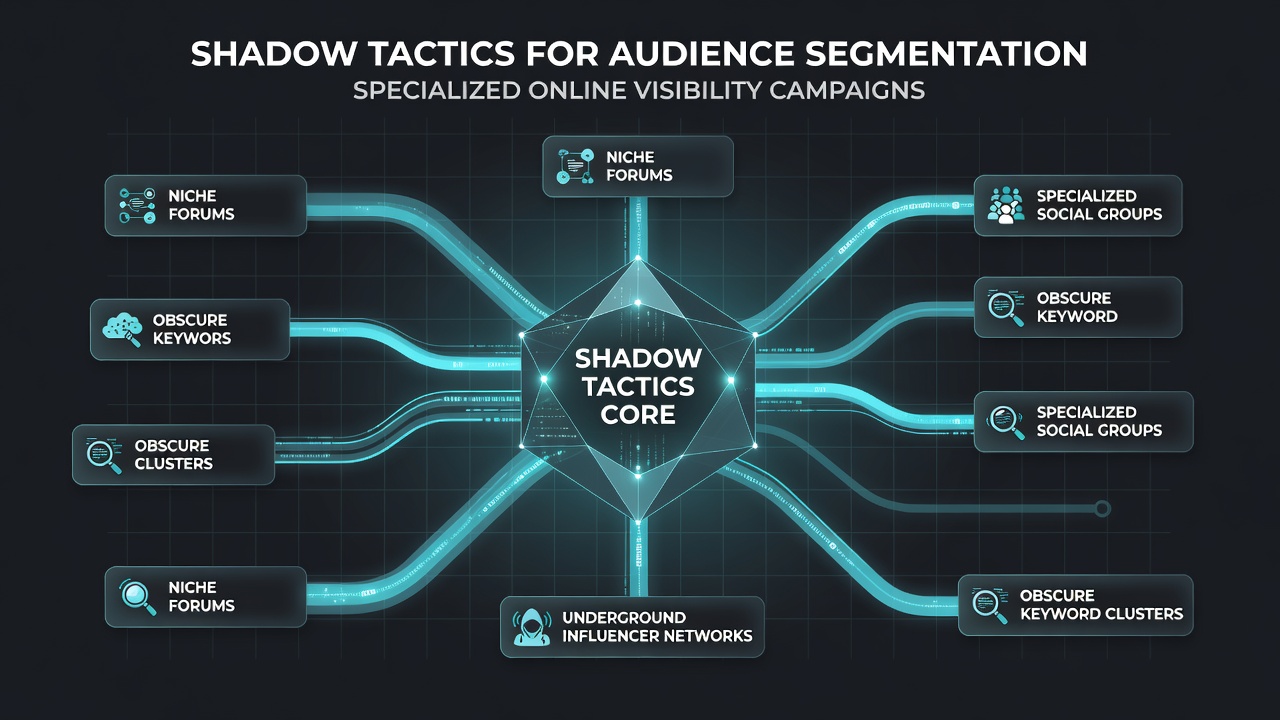
Effective shadow segmentation draws from a combination of first-party interaction logs, third-party trend data, and platform-specific engagement metrics. Analysts frequently reference reports issued by bodies such as the Australian Competition and Consumer Commission on digital advertising practices alongside academic papers examining online behavior patterns. These sources provide baseline distributions that help calibrate segment boundaries without introducing new data collection points.
Integration occurs through rule-based systems that assign users to segments based on weighted combinations of signals. A user who spends extended time on comparison pages and arrives via a technical blog referral might enter one segment, while another who follows social proof content enters a separate group. Campaign platforms then deliver tailored visibility assets to each segment through automated bidding adjustments and content rotation. Data shows that such automated alignment maintains performance stability even when external factors like algorithm updates occur.
Measurement and Refinement
Tracking the impact of shadow tactics requires metrics focused on segment-level outcomes rather than individual user attribution. Key indicators include segment retention rates, content affinity scores, and downstream action completion percentages. Research from university marketing departments indicates that campaigns updating segment definitions monthly achieve better alignment with shifting user behaviors than those using static models. Refinement cycles often incorporate feedback loops where performance data feeds back into signal weighting, allowing segments to evolve without manual intervention.
During September 2026, several visibility campaigns adjusted their segmentation models in response to documented changes in search volume patterns across North American and Asia-Pacific markets. The adjustments relied on the same shadow signal sets already in place, demonstrating how these methods support responsive campaign management without requiring new infrastructure.
Conclusion
Shadow tactics for audience segmentation supply specialized online visibility campaigns with structured ways to identify and address distinct user groups through indirect behavioral evidence. When applied consistently, these methods integrate data from multiple sources to form actionable segments that support precise resource allocation. Observers continue to document performance improvements across campaigns that maintain regular refinement cycles, and the approach remains compatible with evolving privacy standards because it emphasizes aggregated patterns over individual tracking.