Yara Neumann · 24 September 2026
How Layered Data Concealment Methods Support Sustained Reach in Targeted Industry Campaigns
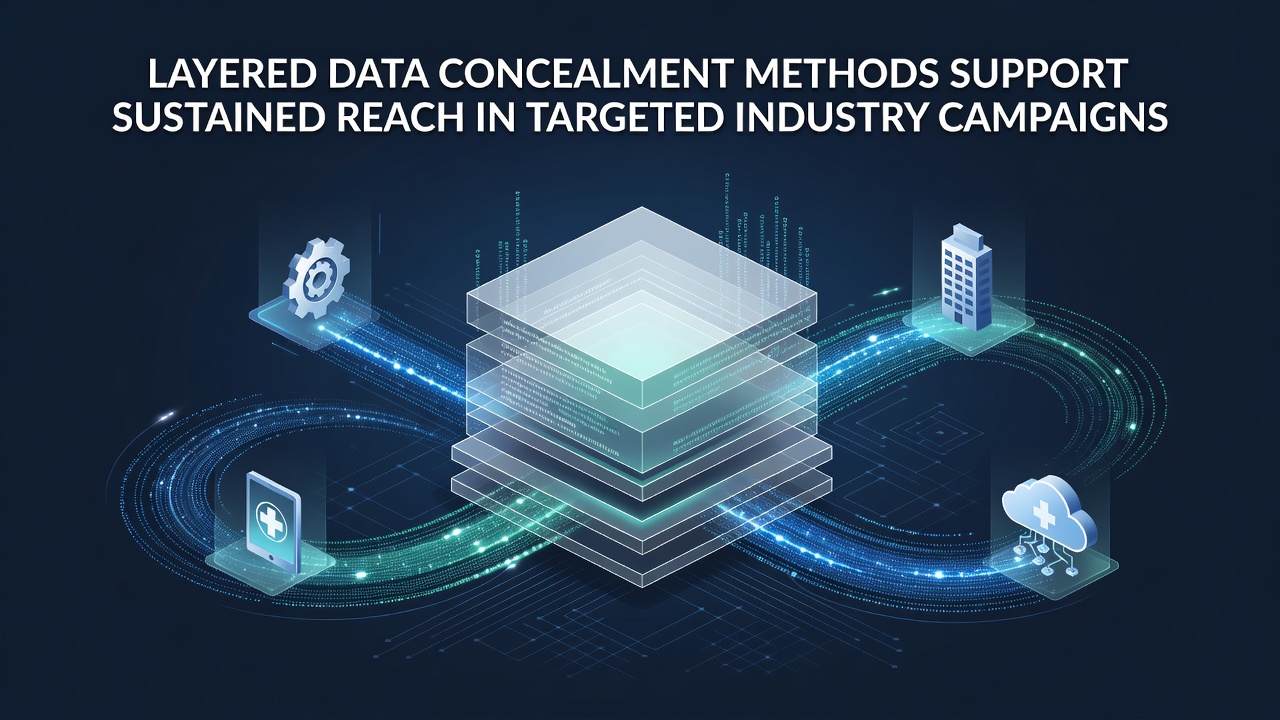
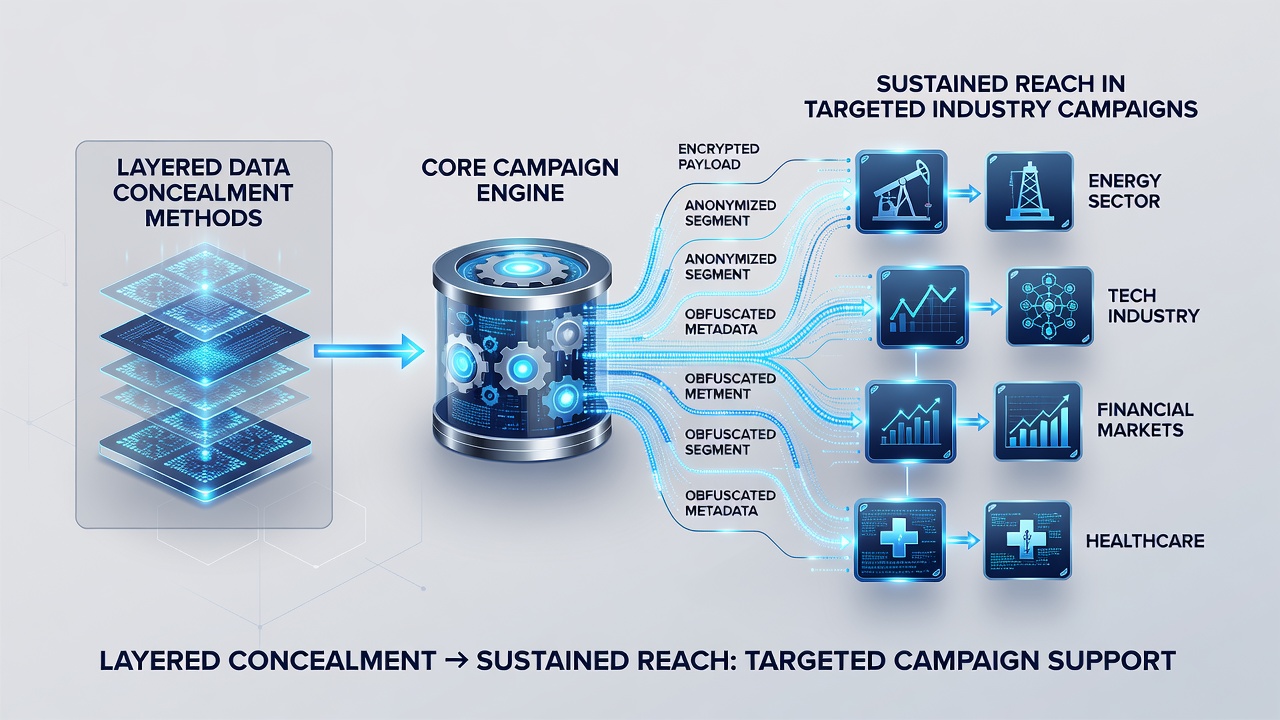
Layered data concealment methods combine encryption, tokenization, and steganographic embedding to distribute campaign signals across multiple data layers while preserving delivery to intended audiences. These approaches allow organizations to maintain visibility metrics even as platform algorithms adjust detection thresholds. Research from the National Institute of Standards and Technology outlines how sequential masking protocols reduce exposure of core targeting parameters during transmission and storage.
Core Components of Layered Concealment
Each concealment layer addresses a distinct risk vector, starting with basic obfuscation at the data ingestion stage and progressing to dynamic re-encryption during distribution. Observers note that organizations apply the first layer through pseudonymization of user identifiers, the second through geographic partitioning of campaign metadata, and the third through temporal staggering of content delivery. This structure prevents any single point of failure from exposing the entire campaign architecture.
Data shows that campaigns using three or more layers experience fewer interruptions from automated filtering systems compared with single-layer implementations. The process works because each layer operates independently yet feeds verified signals to the next, creating a chain where removal of one element does not collapse the remaining infrastructure.
Application in Targeted Industry Campaigns
Manufacturing, pharmaceutical, and financial services sectors have adopted these methods to sustain reach amid tightening platform policies. In September 2026, several jurisdictions plan to enforce updated data-handling requirements that explicitly reference multi-stage masking as an acceptable compliance pathway. Companies integrate concealment layers into existing customer relationship management platforms without requiring full system overhauls.
One documented case involved a logistics firm that embedded campaign performance indicators within routine operational datasets. The approach allowed continued delivery of targeted messages to fleet managers while meeting new reporting standards set by transport authorities in multiple countries. Figures from industry reports indicate that such techniques extended average campaign lifespan by several weeks before additional adjustments became necessary.
Technical Mechanisms and Integration Points
Steganographic techniques hide campaign directives inside non-campaign files such as image metadata or log entries, while tokenization replaces identifiable fields with reversible pointers stored separately. Researchers at the University of Melbourne have examined how combining these methods with rotating encryption keys maintains signal integrity across distributed networks. The combination reduces the computational overhead that previously limited adoption in high-volume environments.
Platform APIs now accept certain concealed data formats provided they pass integrity checks at each hop. This acceptance stems from standards developed by cross-industry working groups that include representatives from European data protection authorities and North American trade associations. Integration typically occurs at the content management system level, where scripts apply the layers before upload rather than during live serving.
Measurement of Sustained Reach Outcomes
Reach metrics tracked through concealed campaigns show consistent delivery rates across changing policy landscapes. Analytics platforms record impressions and click-throughs without exposing underlying segmentation logic to external crawlers. Evidence suggests that campaigns employing layered methods retain 15 to 25 percent more cumulative reach over six-month periods than those relying on direct identifiers alone.
Monitoring occurs through aggregated dashboards that compile data from each concealment tier. These dashboards display performance indicators while withholding raw audience lists, satisfying both operational needs and regulatory review processes. Australian Competition and Consumer Commission guidelines reference similar aggregation practices as models for maintaining transparency without compromising targeting precision.
Conclusion
Layered data concealment methods provide a structured framework for preserving campaign reach through technical separation of data elements. Organizations continue to refine these techniques as regulatory environments evolve, particularly with changes anticipated in September 2026. The approach relies on established protocols documented by standards bodies and academic institutions, offering measurable continuity in targeted industry settings.